Content Creation & Art Direction3 November 20263 min read
2D Explainer Animation for Business and Education: When It Works and How to Plan It
Explainer animations make complex ideas simple. Learn when 2D animation is the right format, how to write the script and how to plan the production.
Also available in Romanian →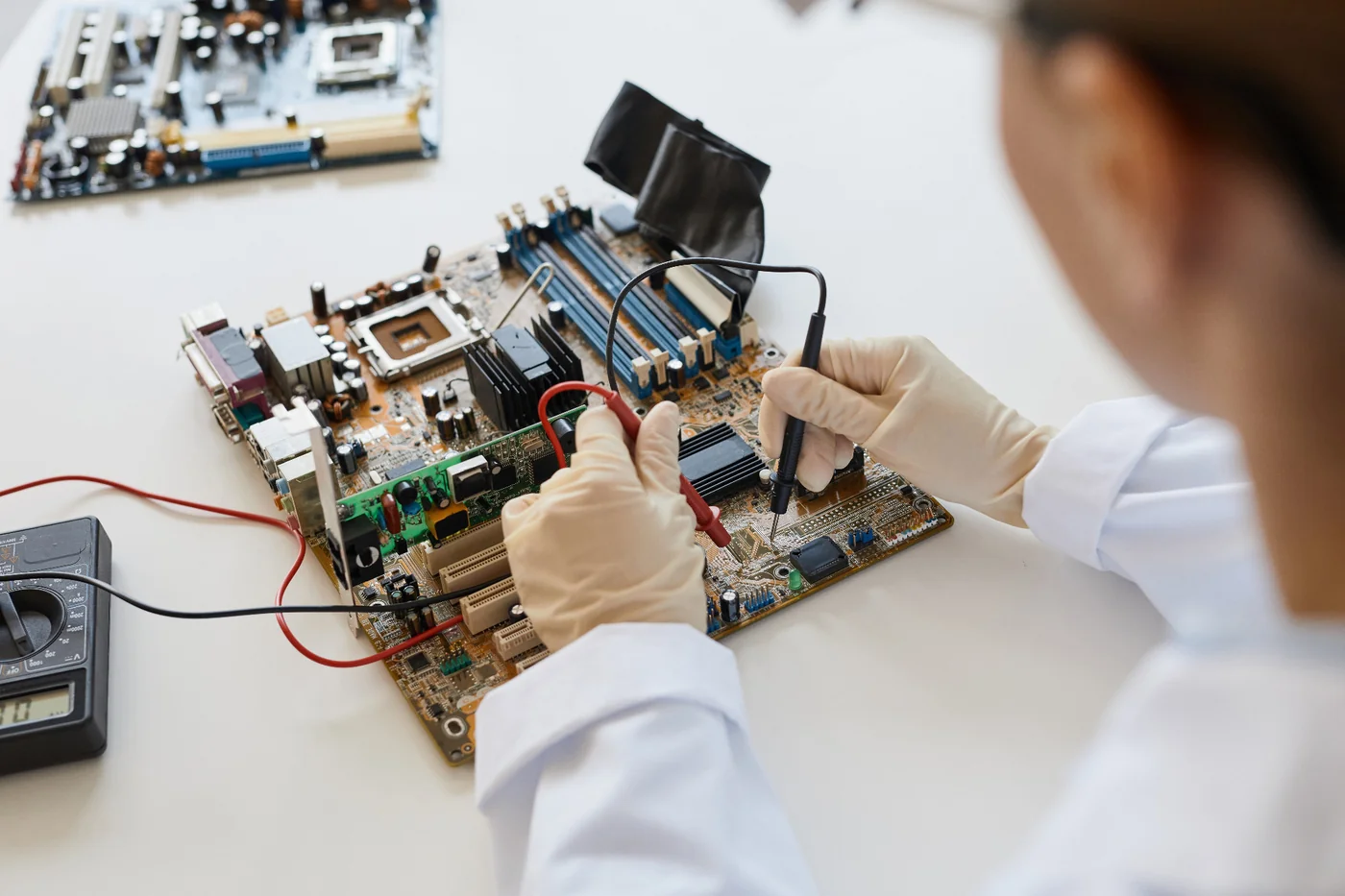
Some ideas are hard to explain in a paragraph: how an algorithm works, what a feasibility study includes, why a platform saves teachers time. A short 2D animation can make them clear in a minute. For three years I worked in house at NEXTLAB.TECH, where animations carried the lessons of an informatics and robotics learning project. This is what I learned about when the format works and how to plan it.
When 2D animation is the right choice
- The topic is abstract or invisible, such as software, data, processes or memory.
- You need to explain the same thing to many people, again and again.
- Filming is impractical or expensive.
- You want a friendly tone, with characters and humour.
- The audience is learning, so clarity matters more than spectacle.
For education it is particularly good: a character who speaks to the student, a scene that shows an everyday example and a simple diagram can turn a difficult concept into something familiar.
Start with one message
Decide the single thing the viewer should understand or do at the end. One animation should have one idea. If you have five, make five short videos. In our lessons, a clip about algorithms uses a smoothie recipe as the example: everyone understands steps in a recipe, so the idea of an algorithm arrives without effort.
Write the script for the ear
- Use short sentences and plain words.
- Open with a question or a familiar situation.
- Give one example before the definition.
- End with a short summary, such as 'Deci reține!' in our Romanian lessons.
- Read it aloud and cut everything that sounds like a textbook.
A minute of speech is roughly 130 to 150 words. Keep to that and you will not need to rush the visuals.
Storyboard before you animate
A storyboard is a row of simple frames that shows what is on screen for each sentence. It is the cheapest place to find mistakes. Mark where text appears, where characters enter and what changes from scene to scene.
Keep the design simple and consistent
- Choose a small set of characters and a clear colour palette.
- Use a consistent illustration style across all scenes.
- Animate only what supports the message: a highlight, a transition, a drawn arrow.
- Keep text large and on screen long enough to be read twice.
- Add subtitles, so the video works with the sound off and in noisy classrooms.
What affects the time and effort
- The length of the video.
- The number of characters and scenes.
- The amount of custom illustration needed.
- The complexity of the movement.
- How quickly feedback and the script are approved.
A short, well-planned animation can be made far faster than a long one with changing ideas. The script and storyboard are where you save the most time.
Sound and review
Clear voice-over matters more than music. Keep music low and simple, and leave short pauses after important lines. Test the video with someone who knows nothing about the topic. If they can explain it back to you, it works.
You can see examples of explainer animations on the 2D animation service page and in the NEXTLAB.TECH project.
Frequently asked questions
How long should an explainer video be?
One to two minutes works for most topics. Longer lessons are better split into several short parts.
Do I need a voice-over?
A clear voice-over helps comprehension, especially for education. Subtitles let the video work without sound.
Can animation be used for lessons in languages other than English?
Yes. Keep text on screen separate from the illustration, so it is easy to translate, as we did for lessons in Romanian.
Projects mentioned
Keep reading
Work with me
Content Creation & Art Direction13 October 20261 min read
What Makes a Brand Look Premium?

Content Creation & Art Direction29 October 20263 min read
How to Write a Design Brief That Gets You Better Work From a Graphic Designer
Content Creation & Art Direction30 October 20263 min read