
Content Creation & Art Direction29 October 20263 min read
How to Write a Design Brief That Gets You Better Work From a Graphic Designer
A good brief saves time and money. Here are the questions to answer, a simple template and the mistakes that lead to endless revisions.
Also available in Romanian →
When a project goes wrong, the reason is rarely the design. It is usually a brief that was too vague, or one that changed halfway through. A clear brief takes an hour to write and can save weeks of revisions. This is the structure I ask clients to follow, and the one I use myself when I write briefs for my own work.
Why a brief matters
A brief is a shared agreement about what the work must achieve. It lets the designer solve your problem rather than guess it, and it gives you something to measure the result against. 'I will know it when I see it' is the most expensive sentence in design.
The questions to answer
- Who are you, and what do you sell? Two sentences, plain language.
- Who is this for? Describe the person, not just a demographic.
- What is the goal? More enquiries, a launch, a rebrand, recognition at a trade fair?
- Where will it be used? Social media, print, packaging, a website?
- What should people think or feel when they see it?
- What must be included? Logo, text, prices, legal information.
- What do you like and dislike? Three examples of each, with reasons.
- What is the timeline and the budget?
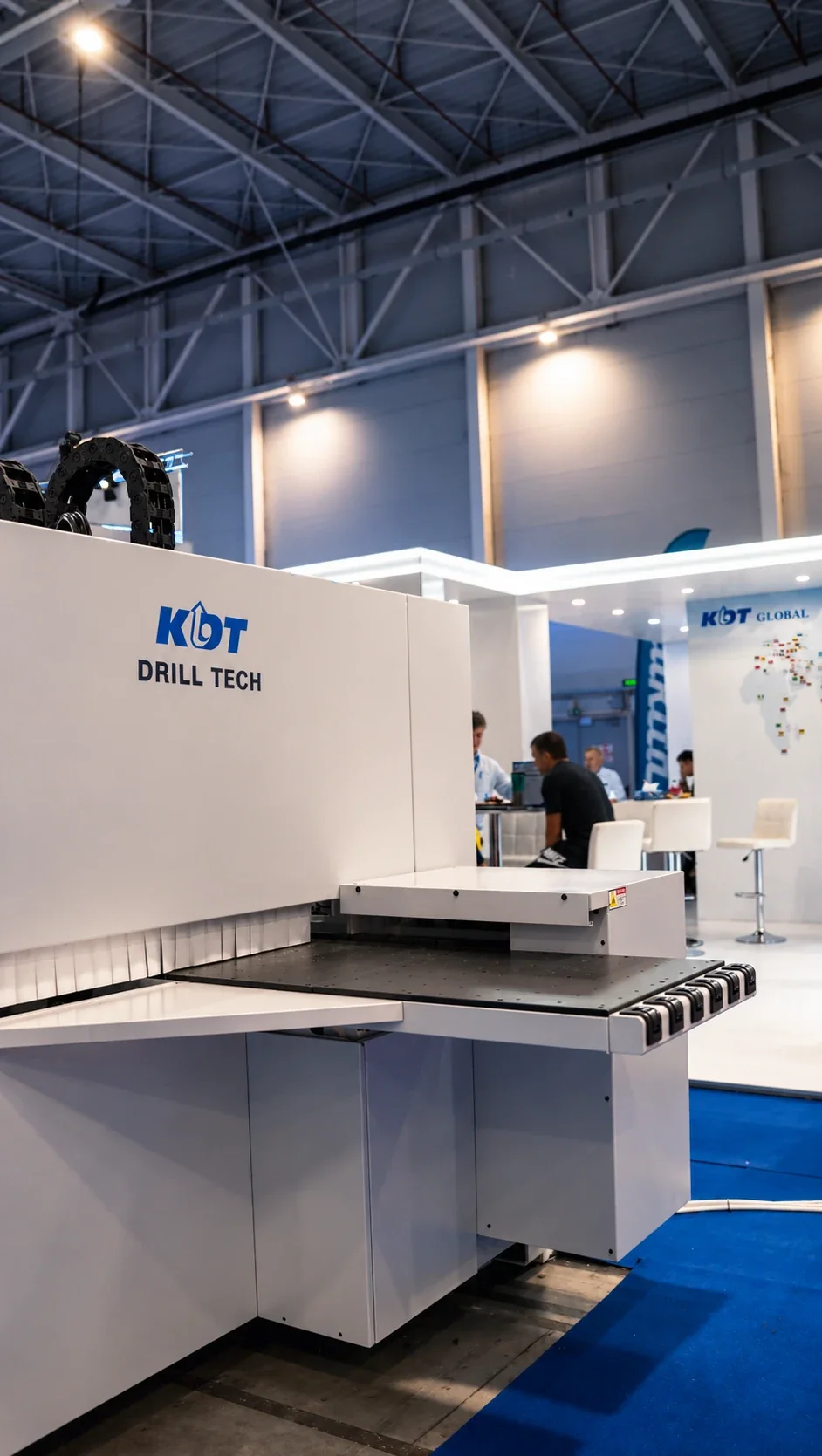
For a company like KDT Romania, which sells woodworking machinery, a good brief would say who the buyers are, what proof matters to them (results, trade fair presence, training) and where the posts will appear. That immediately shapes the tone and the layout.
Be specific about the problem, not the solution
'Make the logo bigger' is a solution. 'People cannot read the brand name on mobile' is a problem. Describe the problem and let the designer propose the fix, because they may know a better one.
Bring references, with explanations
Examples are very useful, but only if you explain what you like about them. 'I like the colours', 'I like how much white space there is' or 'I like how direct the headline is' tells a designer far more than a folder of random images.
Plan how feedback will work
- Decide who has the final say, and collect opinions into one message.
- Give feedback on the goal ('this does not feel premium enough') as well as on details.
- Say what is working, so it does not get changed by accident.
- Agree on the number of revision rounds up front.
Mistakes that lead to endless revisions
- Changing the goal halfway through the project.
- Sending feedback from five people in five separate messages.
- Asking for 'something modern' without saying what that means.
- Skipping the audience, so decisions are made on personal taste.
- Leaving out essential content, such as prices or legal text, until the last round.
Most revision cycles are not about design quality. They are about information that arrived too late.
A short template you can copy
About us: two sentences. Audience: one paragraph. Goal: one sentence. Deliverables and formats: a list. Tone: three adjectives. Must include and must avoid: two short lists. Deadline and budget: one line each. If you can fill those in, you already have a better brief than most. If you would like to talk through yours, I am always happy to help.
Frequently asked questions
How long should a design brief be?
One or two pages is enough for most projects. Clarity matters more than length.
What if I do not know what I want?
Say so, and describe the problem instead. A good designer will help you define the direction, but a short discovery call helps a lot.
Should I include a budget in the brief?
Yes. It lets the designer propose the right scope instead of guessing. A range is fine.
Keep reading
Work with me
Content Creation & Art Direction13 October 20261 min read
What Makes a Brand Look Premium?
Content Creation & Art Direction30 October 20263 min read
Canva vs Hiring a Graphic Designer: When Each One Makes Sense

Content Creation & Art Direction31 October 20263 min read