

Content Creation & Art Direction31 October 20263 min read
Design and Content Ideas for Food and Wellness Brands
How food, healthy meal and wellness brands can look appetising and trustworthy online: colour, photography, product shots and content that sells.
Also available in Romanian →
Food and wellness brands live or die by appetite and trust. People need to want the product and believe in it, often before they have tasted or tried it. That is a design problem and a content problem at once. These are the ideas I come back to when working with Moș Ilie, THS Organic and Green Table.
Give the brand a personality that tastes like the product
A traditional pastry brand should feel warm and nostalgic, which is how Moș Ilie's visuals around handcrafted Romanian pastries are built. A healthy meal delivery brand should feel fresh and cheerful, which is why Green Table uses deep green with bright lime and friendly rounded type. Colour and type are the first flavour people taste.
Photography is half the sale
- Use natural, warm light and avoid harsh flash.
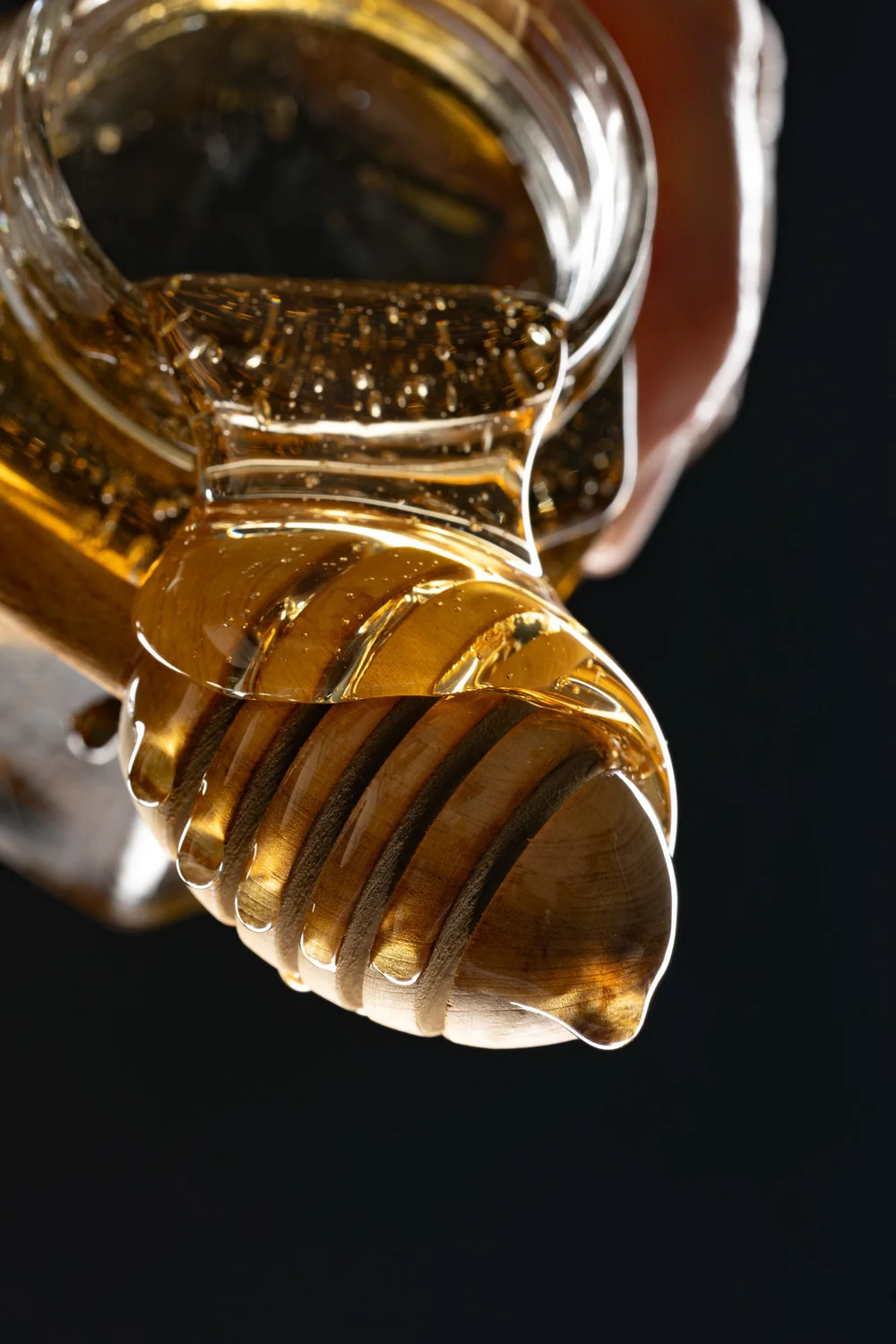
- Shoot close: texture, steam, drips and crumbs communicate more than a distant plate.
- Show the product being used: honey pouring into tea, a sachet being opened, a box on a kitchen table.
- Keep backgrounds simple so the product stays the hero.
- Retouch lightly. Overprocessed food looks artificial.
In the THS Organic content, macro shots of honey do much of the work before any text appears.
Explain the benefit in one line
Wellness brands often over-explain. Choose one clear promise per product, such as strengthening immunity, caring for hair or calming skin, and make it the headline. Then support it with two or three short points, not a paragraph.
Show trust signals honestly
- Ingredients and where they come from.
- Clear packaging that lists what the product is and is not.
- Real people using the product, with their permission.
- Comparisons that are fair and factual rather than aggressive.
- Certifications you really hold, never invented ones.
Content that works for this niche
- Recipes and ways to use the product.
- Behind the scenes: where it is made and by whom.
- Before and after routines, presented realistically.
- Short reels of unboxing and tasting.
- Seasonal offers and bundles.
Labels and claims: keep them honest
Food and wellness are regulated areas. Health claims need to be supported and worded carefully, and ingredient lists must be accurate. Design the pack and the posts so that required information is easy to read, and ask a specialist if you are unsure about wording.
Honest language also wins trust. 'Made with honey and plant extracts' is better than a vague promise nobody can check.
Keep a growing range coherent
If you add products, give each one a space in the system, such as its own accent colour, while keeping the logo, layout and photography style the same. That is how a brand can grow from one product to five without becoming confusing. If you are building a food or wellness brand, have a look at my work for these clients.
Frequently asked questions
What colours work for a food brand?
Warm tones such as amber, red and orange stimulate appetite, while greens suggest freshness and health. The right choice depends on the product and the audience.
Do I need professional food photography?
It makes a big difference, but a clean phone setup with natural light can work well for social media. For packaging and your website, professional photos are worth it.
How often should a food brand post?
Three to four times a week, mixing recipes, product shots, reels and offers, is a realistic rhythm.
Keep reading
Work with me
Content Creation & Art Direction13 October 20261 min read
What Makes a Brand Look Premium?

Content Creation & Art Direction29 October 20263 min read
How to Write a Design Brief That Gets You Better Work From a Graphic Designer

Content Creation & Art Direction30 October 20263 min read