Graphic Design & Branding21 October 20263 min read
Logo vs Brand Identity vs Branding: What Is the Difference?
Logo, brand identity and branding are not the same thing. A plain-language explanation of each, with examples, and which one your business needs first.
Also available in Romanian →
People use 'logo', 'brand identity' and 'branding' as if they were the same word. They are not, and mixing them up leads to briefs that miss the point and budgets that go to the wrong place. Here is a simple way to tell them apart.
The logo: one piece of the puzzle
A logo is a mark that identifies a business. It can be a wordmark (just the name in a certain typeface), a symbol, or both together. Its job is recognition: when someone sees it, they know who is speaking.
A logo on its own does not make a brand. A good logo placed on top of random colours, random fonts and random photos still produces a messy feed.
Brand identity: the visual system
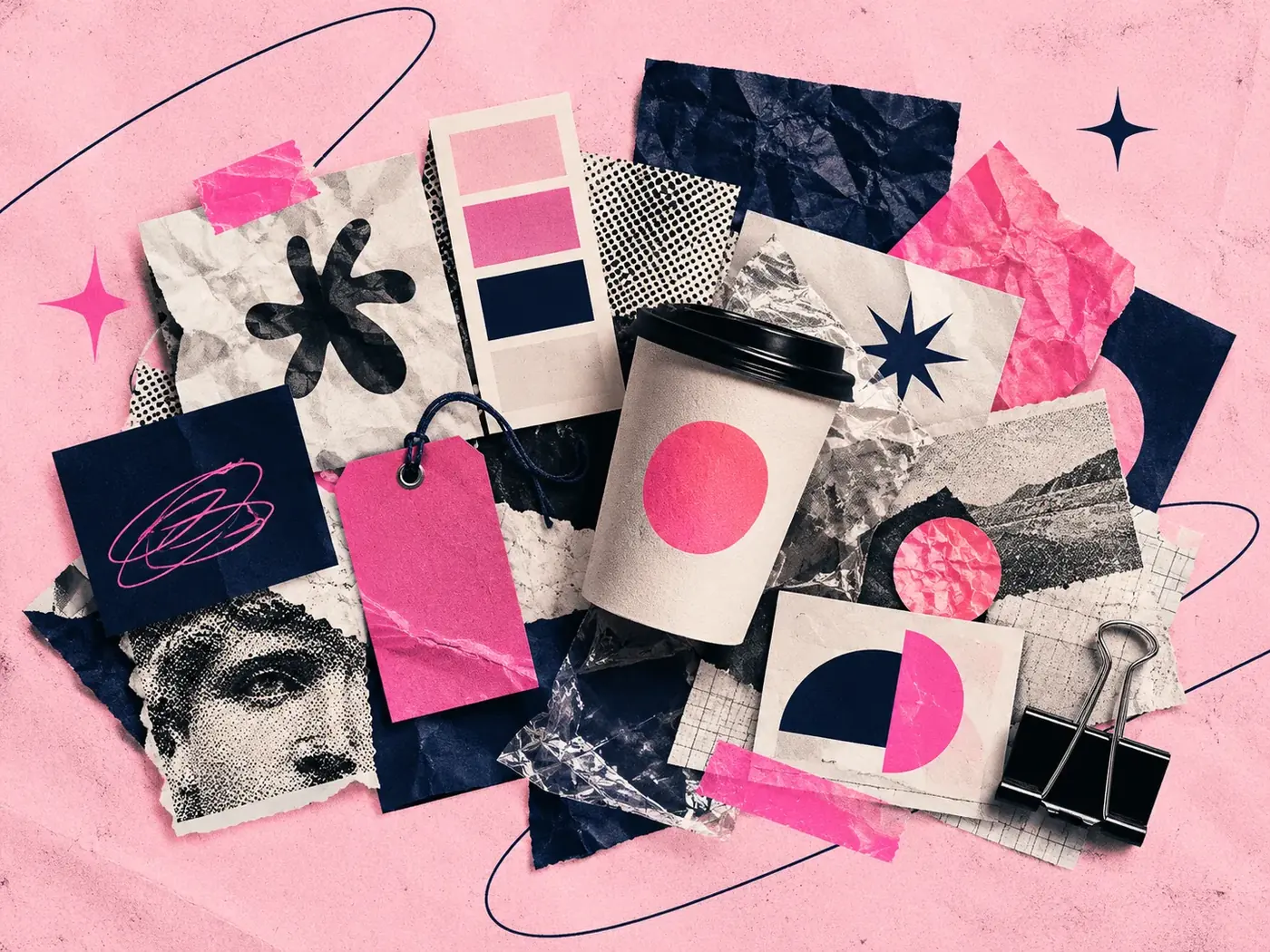
Brand identity is everything you can see: the logo, the colour palette, the typefaces, the style of photography and illustration, the shapes and patterns, the way layouts are built. It is the visible half of the brand, designed so that it looks consistent in every place it appears.
Inklabs is a good example. Its identity is built from yellow, black and a very direct typographic voice. You could remove the logo from a post and still recognise it as Inklabs, and that is the real test of an identity.
- Logo and logo variations
- Colour palette and how colours are used together
- Typography: headline and text fonts
- Imagery: photography, illustration, icons
- Graphic elements: patterns, frames, stickers
- Layout rules and templates
Branding: the whole picture
Branding is the broader process and practice of building how people think and feel about a business. It includes the visual identity, but also the name, the tone of voice, the way customers are treated, the quality of the product and the promise the company makes.
Branding is never finished. Identity can be delivered as a set of files. Branding keeps happening every time a customer interacts with you.
A simple way to remember it
Think of a person. The logo is their signature. The brand identity is their clothes, haircut and posture. Branding is their reputation: what people say about them when they leave the room.
Three common mix-ups
- 'We need a new brand' often means 'we need a new logo'. Check what is really wrong before changing everything.
- A beautiful logo with no rules behind it creates an inconsistent feed, because every designer interprets it differently.
- A rebrand is not always necessary. Sometimes a clear set of guidelines for the existing identity solves the problem.
If you are unsure which of these applies to you, look at your last ten posts side by side. If they look like they belong together, you probably have an identity. If they look like they came from five different places, you have a logo and some habits.
Which one do you need first?
If you are just starting, resist the urge to begin with the logo. Start with two questions: who is this for, and what do we want them to feel? Those answers shape the identity, and the identity then makes the logo easy to design.
- Brand-new business: a small identity (logo, palette, two fonts) and a few templates.
- Business with a logo but an inconsistent look: a proper identity system and guidelines.
- Established business that feels outdated: a refresh, keeping what people already recognise.
- Business that is growing into new channels: extend the system to packaging, print and social media.
If you are not sure which of these sounds like you, my branding page explains how I usually approach each case.
Frequently asked questions
Is a logo enough for a small business?
To begin with, a clear logo plus two colours and a font can be enough. As soon as you post regularly or print anything, you will want a little more structure.
What is the difference between brand identity and brand guidelines?
The identity is the set of visual elements. The guidelines are the document that explains how to use them correctly.
Can I do branding without a designer?
You can do parts of it, such as defining your audience and tone of voice. The visual identity is where a designer saves the most time and avoids costly mistakes.